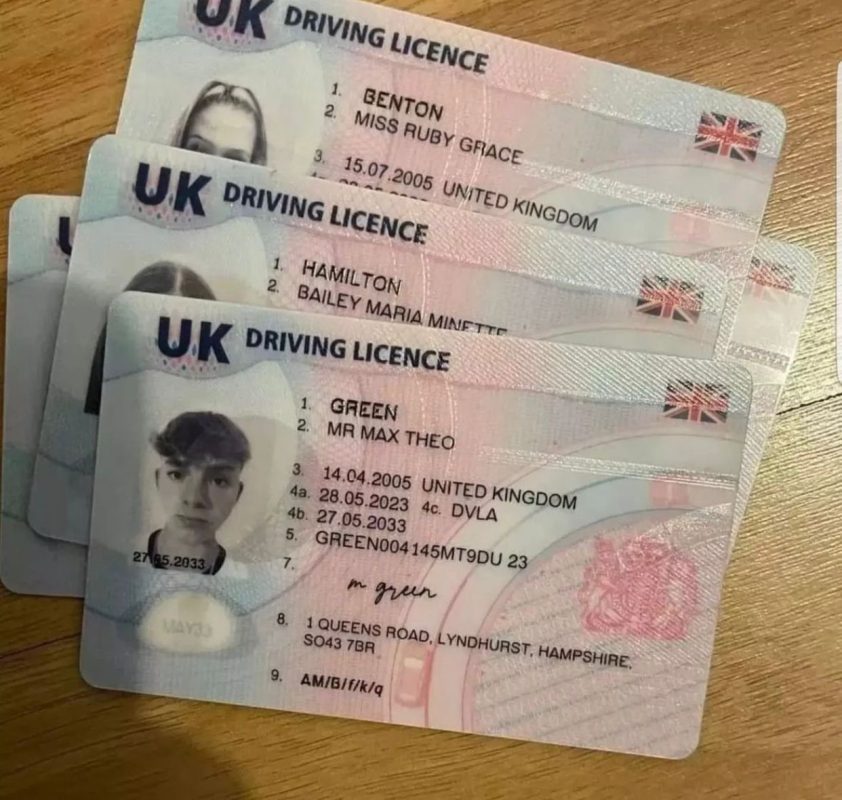
15 Latest Trends And Trends In Uk Driving Licence


Understanding the UK Driving Licence: A Comprehensive Guide
The UK driving licence is a necessary document for those wishing to operate a motor vehicle on public roads. It not just works as proof of identity but also symbolizes that the holder has actually fulfilled the legal requirements and requirements needed for safe driving. Ching Tyree explores the various elements of getting, preserving, and understanding a UK driving licence, along with attending to typical questions and concerns.
Types of UK Driving Licences
The UK driving licence comes in various classifications based upon the type of vehicle one wishes to run. Comprehending these classifications is crucial for anyone preparation to get behind the wheel. Here are the primary kinds of licences readily available:
- Provisional Licence: Upon turning 17, individuals can get a provisional licence, permitting them to practice driving under particular conditions.
- Complete Licence: After successfully passing the driving test, drivers are granted a full UK driving licence, enabling them to drive independently.
- Unique Licences: These licences deal with particular automobile types or conditions, including:
- Motorcycle Licences: For riders of bikes, divided into categories like A1, A2, and A, depending upon engine size and power.
- Commercial Licences: For people driving vehicles for hire or benefit, consisting of buses and heavy items vehicles (HGVs).
Obtaining a UK Driving Licence
Getting a UK driving licence includes a structured process designed to make sure that all drivers have the needed abilities and understanding. Here's a step-by-step breakdown:
Step 1: Applying for a Provisional Licence
- Eligibility: Applicants should be at least 17 years old.
- Files Needed: Proof of identity, such as a passport or nationwide ID, and a current passport-sized photograph.
- Application: Applications can be submitted online through the DVLA (Driver and Vehicle Licensing Agency) site or by post.
Action 2: Theory Test
When the provisionary licence is obtained, the next action is to take the theory test.
- Structure: The theory test consists of 2 parts: multiple-choice concerns and a risk perception section.
- Preparation: Numerous resources, consisting of books and online platforms, are available for study.
Step 3: Practical Driving Lessons
After passing the theory test, drivers can start taking practical driving lessons.
- Trainer Selection: Choosing a certified driving trainer is important for reliable learning.
- Practice: Driving with a provisionary licence enables learners to experiment a qualified driver accompanying them.
Step 4: Driving Test
- Reserving: Once positive in their skills, learners can reserve a useful driving test.
- Assessment: The test includes an eye test, different driving maneuvers, and an assessment of road safety.
Step 5: Receiving the Full Licence
Upon passing the dry run, brand-new drivers get a full UK driving licence, although they will be on a probationary duration for the very first 2 years. During this time, any major driving offences can lead to the loss of the licence.
Keeping Your UK Driving Licence
Owning a driving licence also comes with responsibilities. It is necessary to keep the licence up to date and adhere to the regulations set by the DVLA. Here are a few crucial upkeep points:
- Renewal: Driving licences need to be restored every 10 years. For those over 70, renewal is required every three years.
- Address Changes: Any modification in the holder's address or name must be reported to the DVLA to guarantee that records are existing.
- Medical Conditions: Drivers are required to inform the DVLA of any medical conditions that might impact their ability to drive securely.
- Charge Points: Accumulating 12 or more penalty points within three years can cause disqualification from driving.
Frequently asked questions About the UK Driving Licence
What is a driving licence number?
A driving licence number is a distinct identifier appointed to each driver. It includes personal info, consisting of initials, the date of birth, and an unique identification number.
Can I drive with a foreign driving licence in the UK?
Yes, visitors can drive in the UK with a foreign licence for as much as 12 months. However, after this period, they need to get a UK driving licence.
What do I do if I've lost my driving licence?
If a driving licence is lost or taken, it can be replaced by getting a brand-new one through the DVLA website, which usually includes a little cost.
Can I drive a car with an expired driving licence?
No, driving with an expired licence is illegal. It's important to restore your driving licence before its expiry to stay compliant with the law.
How can I examine the status of my driving licence?
Drivers can check their driving licence status online at the DVLA site. This consists of information about recommendations, expiry dates, and entitlements.
The UK driving licence system is developed to make sure roadway safety while supplying a framework for drivers to operate vehicles legally. By understanding the different types of licences, the application process, and the obligations that accompany holding a driving licence, people can become more informed drivers. With the right preparation and care, browsing the roads of the UK can be a safe and enjoyable experience for all.